
Top Waterproofing Products for Reliable Protection
Discover the leading waterproofing solutions designed to safeguard your property from moisture and water damage effectively.
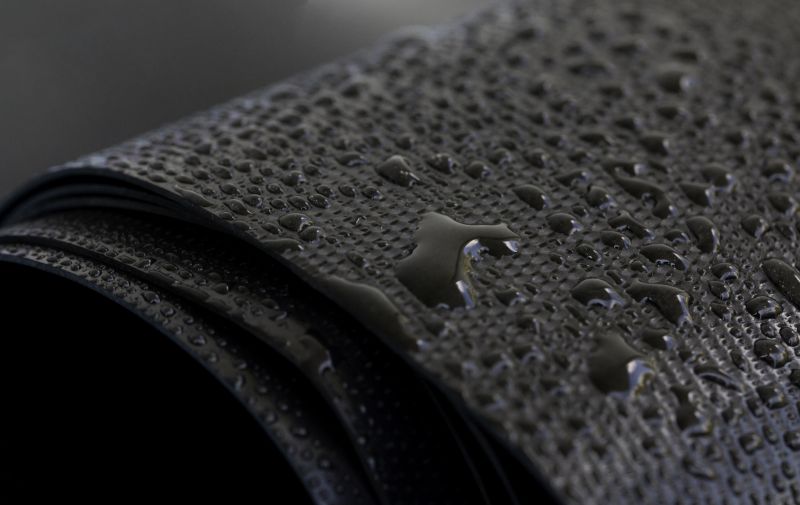 Waterproofing products are essential solutions for protecting structures, surfaces, and materials from water intrusion and damage. Whether it is for residential, commercial, or industrial applications, choosing the right waterproofing product can significantly extend the lifespan of buildings and infrastructure. These products are designed to create a barrier that prevents water from seeping into foundations, roofs, walls, and other vulnerable areas. The variety of waterproofing solutions available can cater to different needs, including liquid membranes, sealants, coatings, and membranes that adhere to various surfaces.
Top Overall Option
Liquid Waterproofing Membrane
A liquid waterproofing membrane offers a seamless, flexible barrier that can be applied to various surfaces such as roofs, foundations, and walls. Its versatility and ease of application make it a popular choice for many projects, providing a durable layer that conforms to complex shapes and penetrations. When properly applied, it can help prevent water ingress and protect underlying materials from moisture-related issues. This type of product is often formulated for long-lasting performance and can be used in both residential and commercial settings.
Types of Products For Waterproofings
Bituminous Coatings
Asphalt-based coatings suitable for roofing and foundation waterproofing, offering good adhesion and flexibility.
Polyurethane Coatings
High-performance coatings that provide a seamless, elastic waterproof barrier ideal for roofs and decks.
Liquid Rubber Membranes
Flexible, rubber-like coatings that create waterproof seals on roofs, basements, and balconies.
Cementitious Waterproof Coatings
Waterproof cement-based layers often used in basements and tunnels, compatible with masonry surfaces.
Bitumen Sheets and Membranes
Self-adhesive or torch-applied sheets used for roofing and below-grade waterproofing.
Sealants and Caulks
Flexible compounds used to seal joints, cracks, and penetrations to prevent water intrusion.
Polyethylene and PVC Membranes
Sheet membranes typically used in foundation and underground waterproofing applications.
Acrylic Waterproof Coatings
Water-based coatings suitable for various surfaces, offering ease of application and good water resistance.
Epoxy Coatings
Strong, durable coatings often used on concrete surfaces to provide a waterproof and protective layer.
Spray-On Waterproofing
Sprayable coatings that can quickly cover large areas, suitable for roofs and decks.
Fluid-Applied Membranes
Versatile liquid membranes that can be rolled or brushed onto surfaces for continuous waterproofing.
Sheet Membranes
Pre-formed sheets that are adhered or mechanically fastened for reliable waterproof barriers.
Crystalline Waterproofing
Chemical treatments that penetrate concrete to form waterproof crystals within the material.
Bituminous Paints
Coatings with bitumen content used for surface waterproofing on roofs and walls.
Rubberized Coatings
Flexible coatings that provide waterproofing and protection against weathering.
Vapor Barriers
Materials designed to prevent moisture vapor transmission through walls and floors.
Popular Choices
Widely used for their flexibility and ease of application on various surfaces.
Favored for creating seamless, elastic waterproof layers especially on flat roofs.
Commonly selected for foundational and roofing applications due to their durability.
Popular for basement waterproofing because of their compatibility with masonry.
Preferred for underground and foundation waterproofing due to their reliability.
Frequently used for sealing joints and cracks in various building components.
Chosen for their ease of application and good water resistance on multiple surfaces.
Selected for concrete surfaces needing a durable, waterproof protective layer.
Popular for quick coverage on roofs and decks with minimal preparation.
Valued for their seamless application over complex or irregular surfaces.
Increasingly used for concrete structures requiring internal waterproofing solutions.
Often chosen for their weather-resistant properties on exterior surfaces.
Essential in areas prone to moisture vapor transmission, such as basements and crawl spaces.
In Wixom, MI, where seasonal weather fluctuations can lead to moisture-related concerns, selecting appropriate waterproofing products is particularly important. Proper application and the right product selection can help mitigate issues such as leaks, mold growth, and structural deterioration. It is advisable to consider factors such as the type of surface, exposure conditions, and longevity requirements when choosing waterproofing materials.
The durability and effectiveness of waterproofing products depend on their composition and application methods. Some products are formulated for specific surfaces like concrete, wood, or metal, while others are versatile enough for multiple uses. Regular maintenance and inspection can ensure that the waterproofing barrier remains intact and functional over time. Consulting with professionals or product specialists can provide additional insights into the most suitable options for your particular project in Wixom, MI.
Overall, investing in quality waterproofing solutions can provide peace of mind and protect valuable assets from water damage. By understanding the different types of products available and considering key factors such as surface compatibility and environmental conditions, users can make informed decisions that enhance the integrity and longevity of their structures.
Key Buying Considerations
- Surface compatibility: Ensure the product adheres well to the intended material.
- Application method: Choose between brushing, rolling, spraying, or troweling based on project needs.
- Flexibility and elasticity: Consider products that can accommodate surface movements without cracking.
- Durability and lifespan: Evaluate the expected longevity and resistance to environmental factors.
- Water exposure level: Match the product's water resistance capabilities to the severity of exposure.
- Ease of application: Select products that are manageable for your skill level or professional applicator.
- Curing time: Be aware of drying and curing times to plan project schedules accordingly.
- Compatibility with existing materials: Confirm that new waterproofing layers will bond well with existing surfaces.
- Environmental conditions: Consider temperature, humidity, and weather during application.
- Cost and budget: Balance the quality and longevity of the product with your financial plan.
- Maintenance requirements: Understand how much upkeep is needed to maintain waterproofing effectiveness.
- Code and regulation compliance: Ensure the product meets local building codes and standards.
- Safety precautions: Review safety data sheets and handling instructions for safe use.
- Manufacturer reputation: Opt for products from reputable suppliers with good reviews and support.
- Environmental impact: While not eco-focused, consider products with minimal harmful emissions or residues.